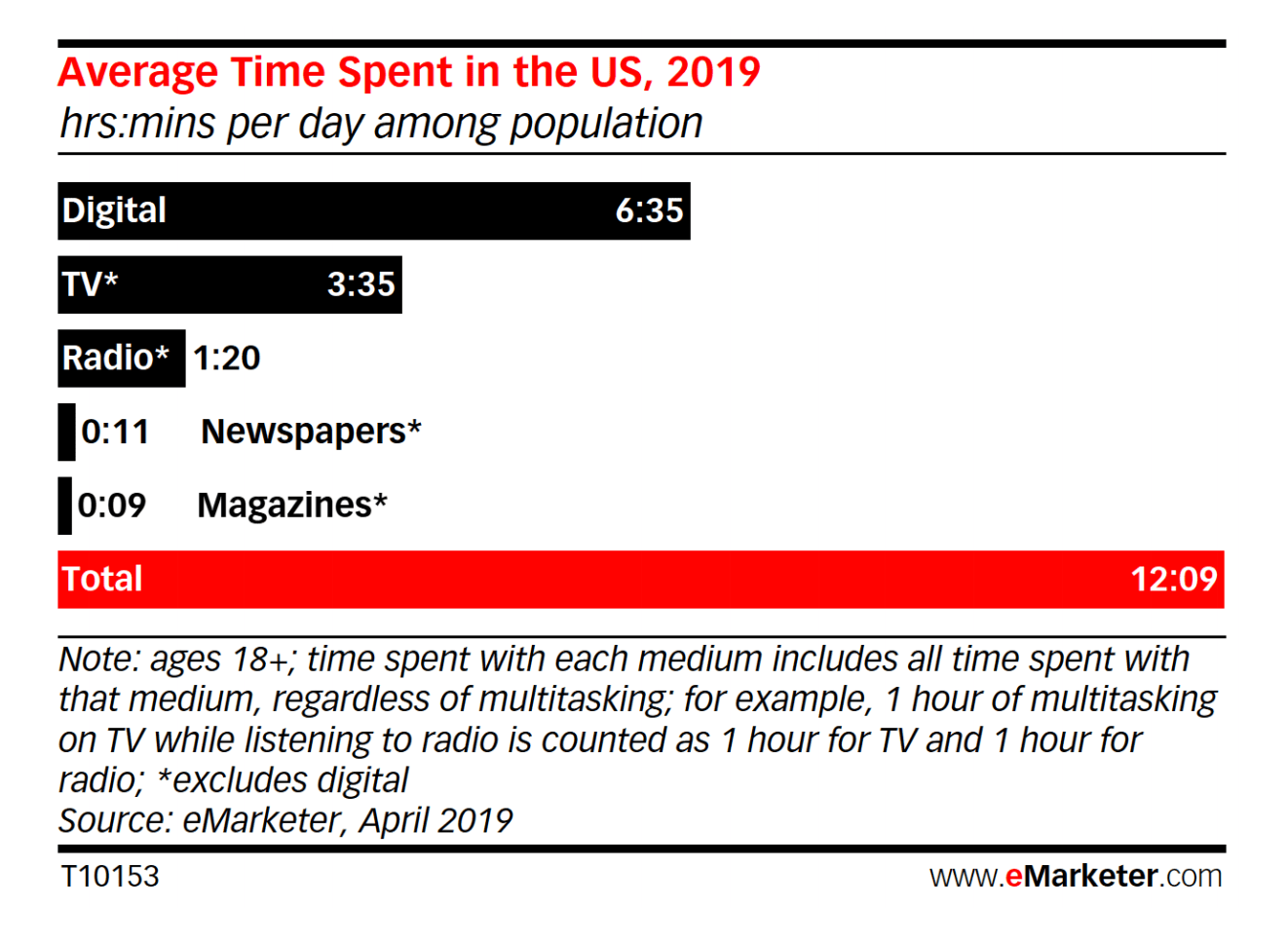
We estimate that time spent with media this year by US adults (ages 18+) will average 12 hours, 9 minutes per day.
Mark Dolliver (May, 2019)
In the marketing class digging into contemporary media consumption, I was shocked by the fact that the average time US adults spent with media exceeds 12 hours. Logging my 24-hour media consumption this Sunday, however, I was even shocked by the actual time I input into engaging with media outlets. Moreover, I didn’t expect tracking my navigation in the media landscape would refresh my understanding of the relationship between those channels and me. Specifically, the documented patterns and habits revealed the role of media as the very central institution that I source information, entertainment and communication.
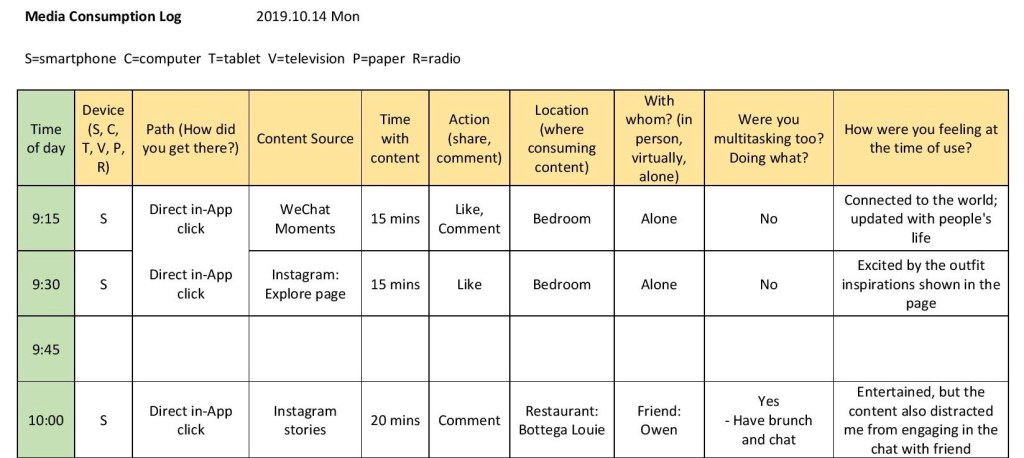
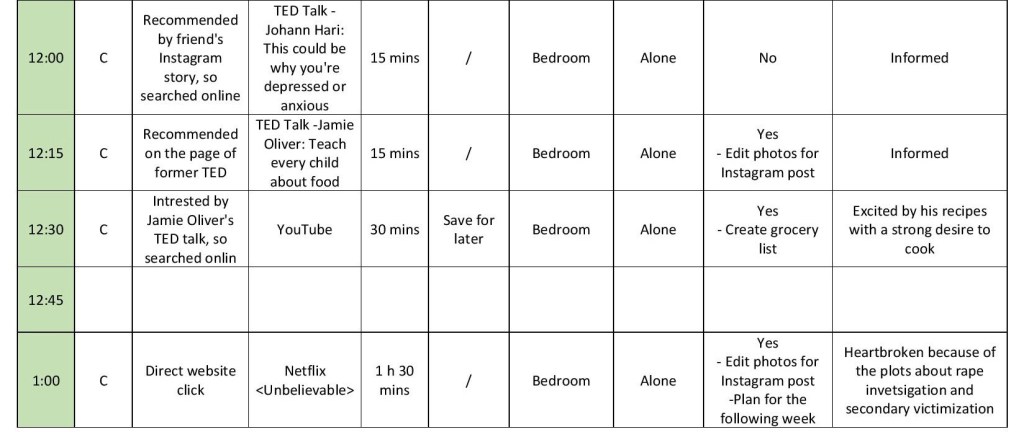
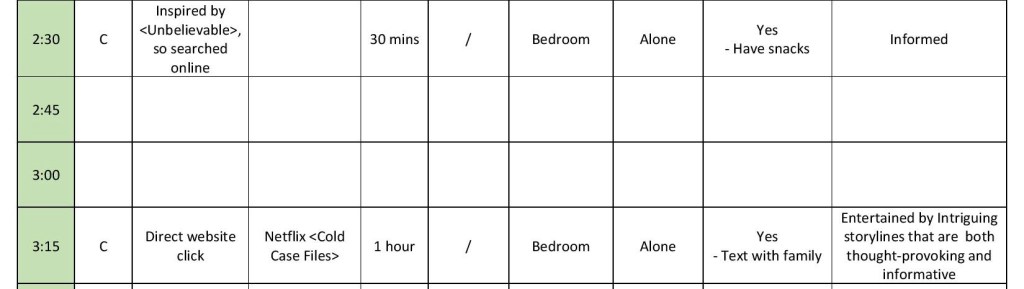


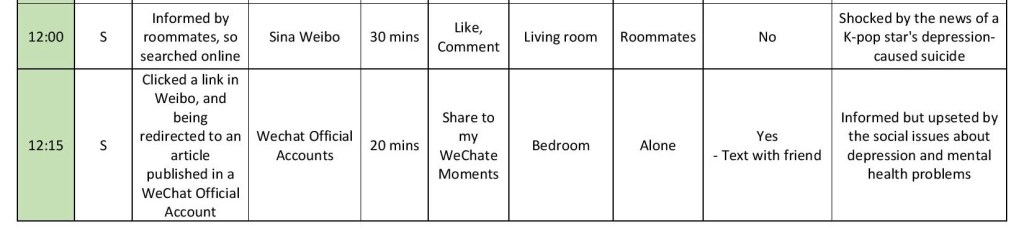
Illustrated by the log, social media dominates my media consumption inarguably: my interaction with a new day initiated by scrolling down the WeChat Moments, in which those in my circle of intimates post their up-to-date activities and thoughts. In this case, social media enables me to vicariously experience a slice of my beloved ones’ lives, allowing the engagement and involvement transcending the spatial and time boundaries. Whereas it’s the vital portion of my daily social connection, social media’s disruptive nature unmasked when it distracted me from fully engaging in the brunch chat with a friend, indicating that the parasocial relationship within webspace could potentially impair the effectiveness of real-life, in-person interactions.
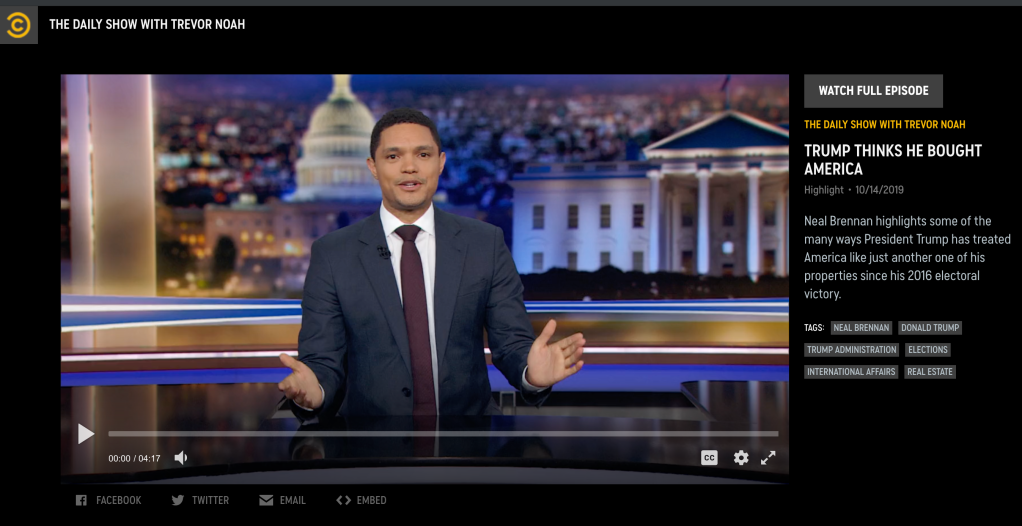
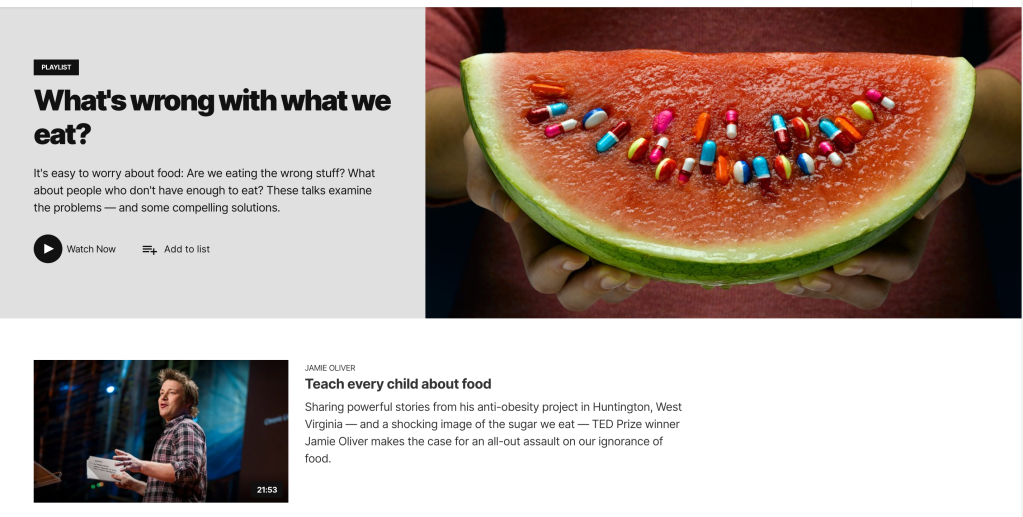
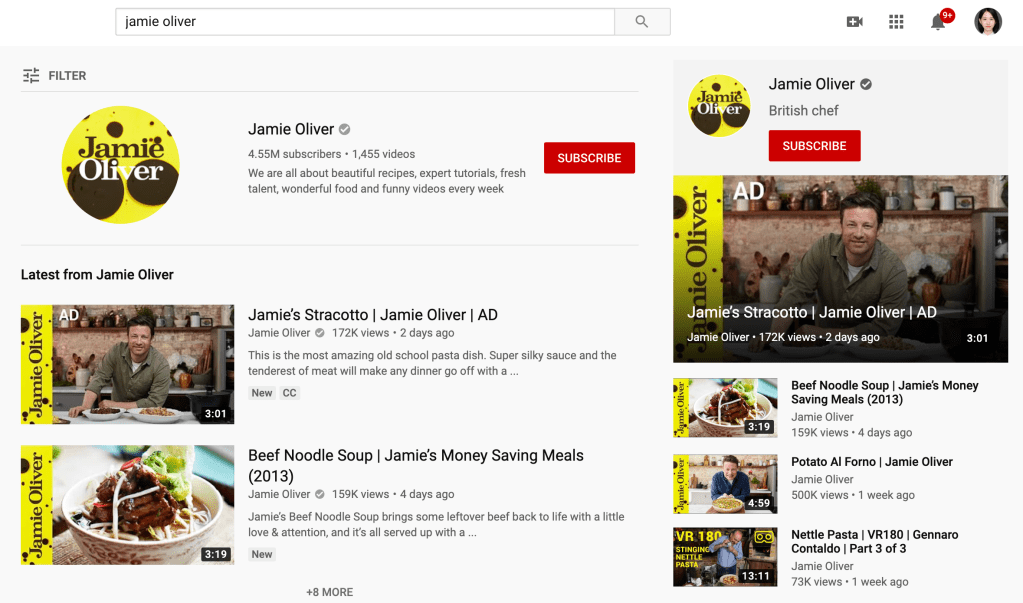
We can also discern the power of social media when I relied on it as my ‘go-to’ source of information instead of turning to more ‘official’ news outlets: after informed by my roommates about the suicide of K-pop star Sulli Choi, I immediately searched on Sina Weibo – the leading social media platform in China – to collaborate the news. Also, depending on The Daily Show, a news satire program, to access the knowledge about current events and base almost all my political engagement on the insights provided, I risked exposing myself to highly manipulated messages as the source conveys mediated information and opinions that are selected, filtered, and undeniably biased.
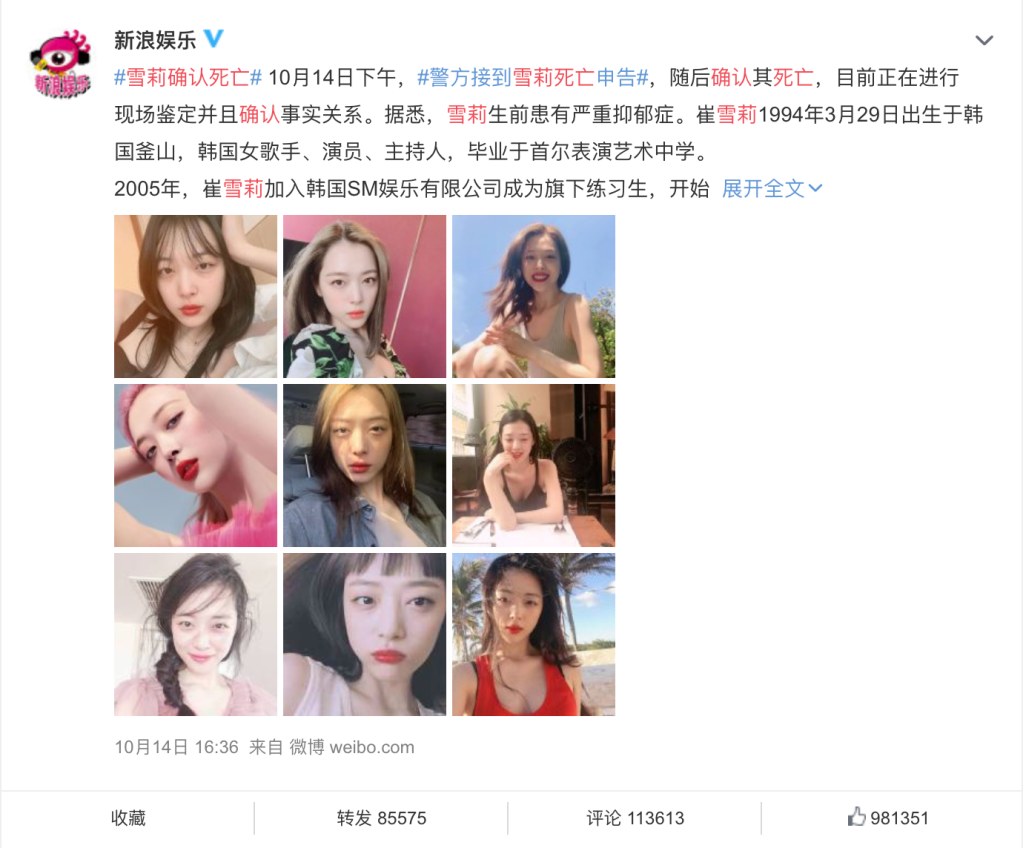
Shifting between Instagram and Weibo – each the central information transaction platform in the U.S. and China – I regard such a ‘code-switching’ a parallel to my split identity as an International student. Simply put, my dual cultural experience roots in a dual interaction with media channels. Such a “double-exposure” to divided fluxes of ‘facts’ and viewpoints introduced me to a more holistic perspective including multifaceted stances while polarized notions regarding the same issue inevitably evoked conflict and confusion in me.
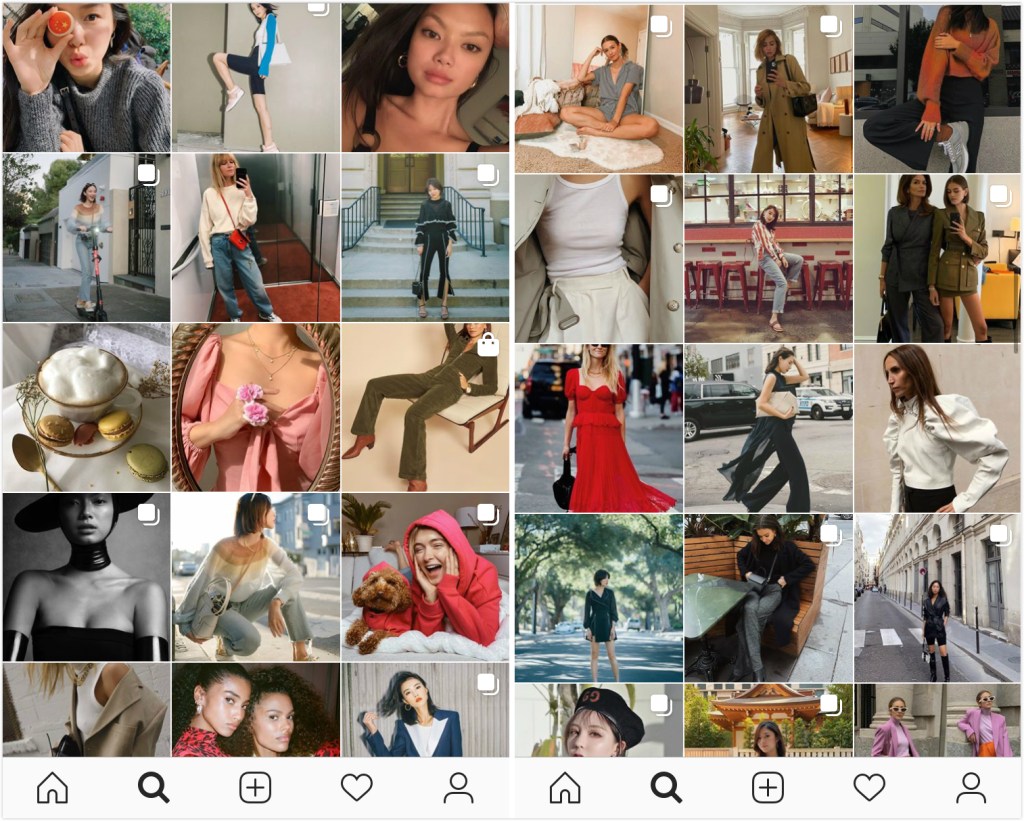
Furthermore, mindfully examining the content offered in media unclothed how these messages – visual, auditory, and semantic – weave into the world in front of me and construct my perceived reality. From Instagram to Netflix, I was shattered into thousands or even millions of data points by the algorithm behind this hyperconnected internet – faceless, devoid of humanity and composed of 0 and 1. My identity was dissected into behaviors, attitudes, and psychographic traits, allowing the automated, machine-learning process to analyze my preference and feed me with corresponding contents.

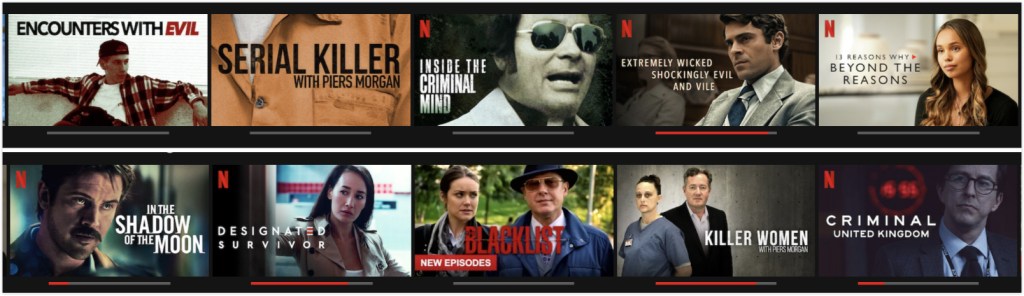
In retrospection, this 24-hour ‘déconstruction’ of my interaction with media is indeed a cautionary reminder to me about the compelling, long-lasting influence on cognition, emotion and even behavior that could be exerted by the channeled contents. To wrestle with the potential manipulation, I should arm myself with a stronger capacity to think, examine, and consume critically and discreetly.
 Essie Liu